How To Split The House
ONE DECISION AT A TIME

Split the equity. Understand the repairs.

Keeping the house also means keeping the roof, crawl space, and everything in between.

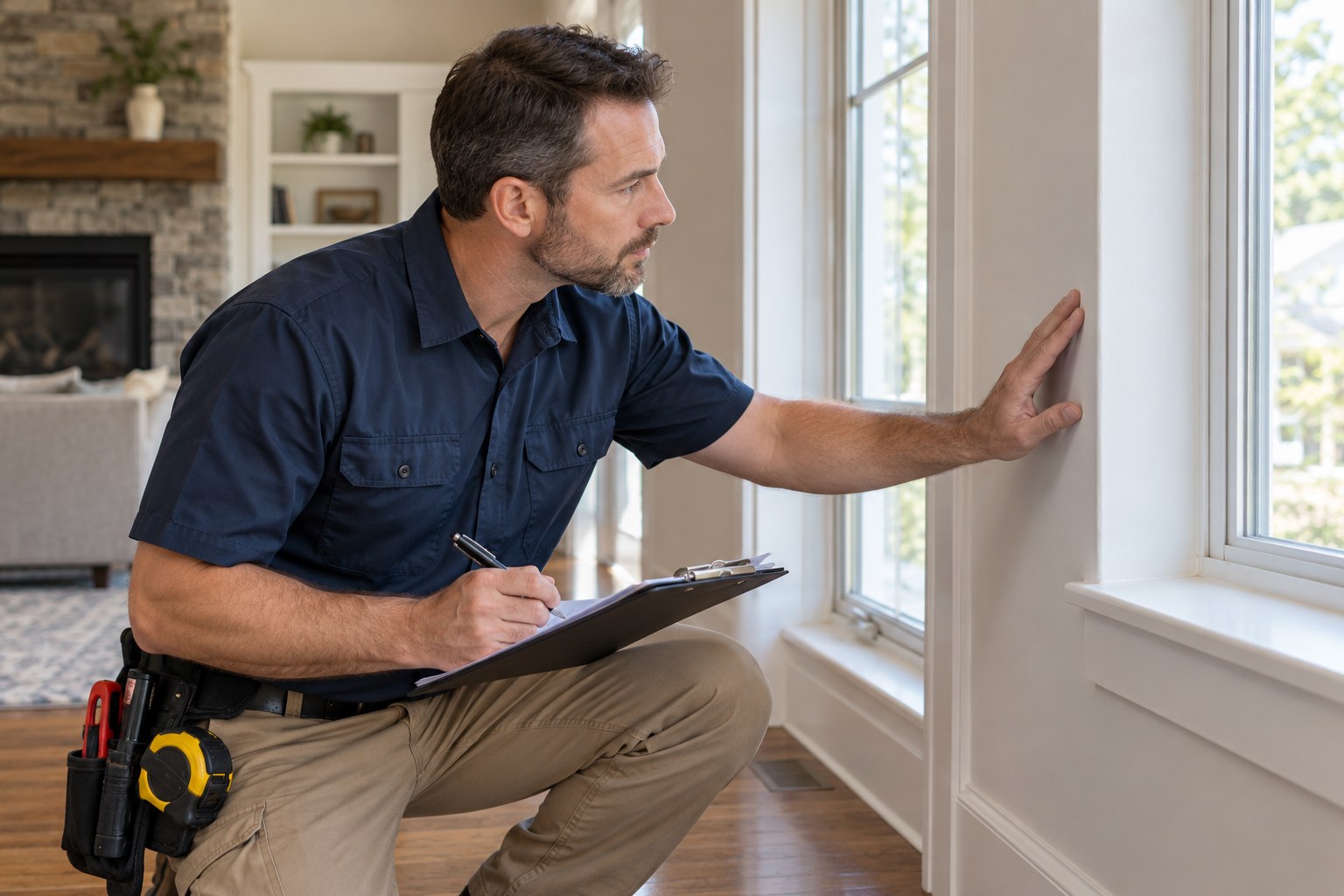
A home inspector examining a window while holding a clipboard
Understand the condition before agreeing to keep the house.

Questions to ask before a buyout.

Should I get a home inspection before a divorce buyout?

An independent inspection can help you understand repair risks before agreeing to keep the house or settle a buyout. Get written estimates for significant findings. Ask your attorney how costs should be addressed, and your appraiser whether condition is already reflected in value. Repair costs are not automatically deducted dollar for dollar.

Does an appraisal cover property condition problems?

An appraisal considers observable condition when estimating value, but it is not a detailed home inspection or a guarantee against hidden defects. An inspector can evaluate accessible systems and recommend specialists. Qualified contractors can investigate specific concerns and estimate repairs. Review each report’s scope and limitations.

Get a full property inspection.

A home inspection evaluates condition; an appraisal estimates value. One does not replace the other. Hire a qualified inspector before you commit to a buyout, then get written estimates for significant findings.

Ask about the roof, foundation, crawl space, drainage, plumbing, electrical system, heating, and cooling. Depending on the home, add sewer scope, septic, well, pest, radon, or specialist evaluations. Inspectors cannot see every hidden defect or guarantee future performance.

A $20,000 roof changes the conversation.

Illustration: a $600,000 home with $400,000 in mortgage payoff has $200,000 in gross equity. A simple half-share is $100,000 each. If the person keeping the home also faces a $20,000 roof replacement, that future cash need belongs in the affordability and settlement discussion.

Do not automatically subtract the repair estimate from appraised value. The appraiser may already have reflected the condition. Ask your attorney how repairs should be handled in the agreement and avoid counting the same issue twice.

“50/50” may leave important questions unanswered.

  • Where did the down payment come from—joint savings, a gift, inheritance, or funds owned before marriage?
  • Who paid the mortgage, taxes, insurance, and repairs during separation?
  • Were payments made with joint funds or separate funds?
  • Are reimbursement or separate-property claims supported by records?
  • Who will pay for immediate repairs, and how will that affect the agreement?

Property division depends on state law and your circumstances. Equal and fair are not always the same calculation. Bring the documentation to your attorney rather than assuming a contribution automatically changes the split.

How to review the home’s condition.

  1. Hire an independent inspector

    Choose a qualified, independent home inspector and verify any licensing required in your state. Agree on the scope, access, and report delivery. Ask about the roof, foundation, plumbing, electrical systems, and heating and cooling.

  2. Get specialist evaluations and repair estimates

    For significant findings, obtain appropriate specialist evaluations and written, itemized repair estimates from qualified contractors. Confirm what the inspection could not assess and what further investigation is needed.

  3. Review the findings before agreeing

    Bring the reports and estimates to your attorney, appraiser, and mortgage professional. Discuss how condition affects value, financing, and settlement terms, who will pay, and when work must happen. Avoid counting the same condition issue twice or assuming an inspection eliminates future repair risk.